Case Study
Developing statistical frameworks to enable rare disease treatment clinical trials


Author



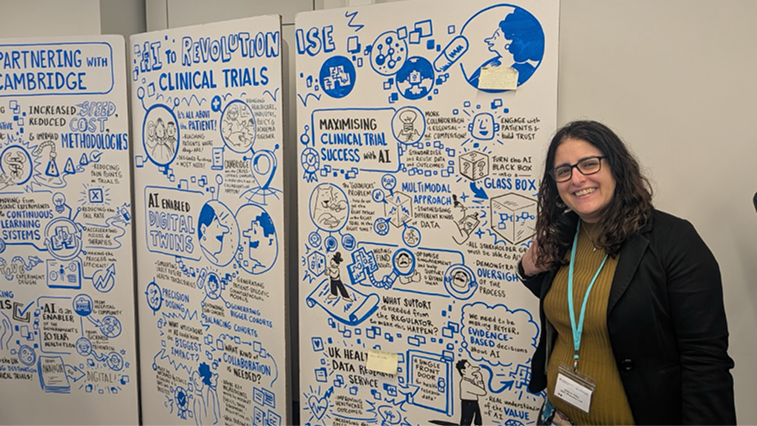
Dr Sofía Villar
Keywords
adaptive clinical trials
statistical frameworks
rare diseases
Overview
The Project
In at least 20% of patients, mutations in the gene called the bone morphogenetic type 2 protein (BMPR2) have been observed. Since 2020, CHIMiRA biostatistician, Sofía Villar, has worked as the senior statistician as part of an interdisciplinary team, with the aim of developing the first-ever treatment to address the genetic form of PAH. The team successfully identified two potential therapies that target BMPR2 dysfunction, and, subsequently determined an accurate way to measure this protein and its effects. This work has laid the foundations for more advanced statistical methods to be used in a clinical trial comparing the two treatments.
Using adaptive clinical trials to determine drug efficacy
It is not possible to conduct large-scale controlled studies for rare diseases, and therefore data samples are typically small. Adaptive trial designs are a powerful framework to address this statistical challenge. As part of the StratosPHere 2 (Stratified adaptive therapeutic studies in pulmonary arterial hypertension caused by mutations in BMPR2) project, the team designed a three-armed trial, comprising two novel drugs and a placebo group. To implement this adaptive approach, extensive preliminary work was required to develop the right clinical outcome for adaptation – defining exactly how to measure if a treatment is working and over what timeframe. Furthermore, custom infrastructure was established to run this complex design within the small trials unit sponsoring the study. The trial uses a Bayesian response-adaptive randomisation algorithm to assign drugs to patients.
As the trial progresses, if either treatment is more effective, the trial will “adapt” to this new information by increasing the proportion of patients who are given the more promising drug, while preserving statistical integrity. The trial is currently running all across the UK in all 7 of the nationally accredited pulmonary hypertension centres. The end goal is to provide evidence for improving outcomes of patients suffering from genetic PAH, and help inform statistical frameworks of other clinical trials when data is sparse or challenging to gather.
Acknowledgements
Keep Reading
View all case studiesSee maths in action








Connect with us
Explore how CHIMiRA can transform your research or business challenges through mathematical innovation. We are an open house for ideas and consider projects from any academic discipline, business, industry or the third sector.
Contact us